
Facelift in Dallas, TX | Dr. Yash Plastic Surgery
Refresh, Restore, and Revitalize Your Appearance
A facelift, or rhytidectomy, is a surgical procedure that rejuvenates the lower face and neck by lifting, tightening, and repositioning the underlying tissues, facial fat, and skin. Board-certified plastic surgeon Dr. Yash Avashia offers both the traditional facelift and the advanced deep plane facelift, tailoring each procedure to the individual patient’s anatomy, goals, and degree of aging. The right technique for you is determined during a customized consultation, not a one-size-fits-all protocol.
Dr. Yash has specialized training and extensive experience in cosmetic and reconstructive facial surgery. With a strong appreciation for facial anatomy, he applies his surgical skill, aesthetic sense, and in-depth medical knowledge to produce natural-looking, long-lasting results, ones that make you look refreshed and feel like the best version of yourself, not operated on.
To learn how a facelift in Dallas, TX can enhance your appearance, contact Dr. Yash Plastic Surgery or call (469) 249-9615 to schedule a consultation today.
Quick Links
What You Need To Know: Facelift
What Is a Facelift?
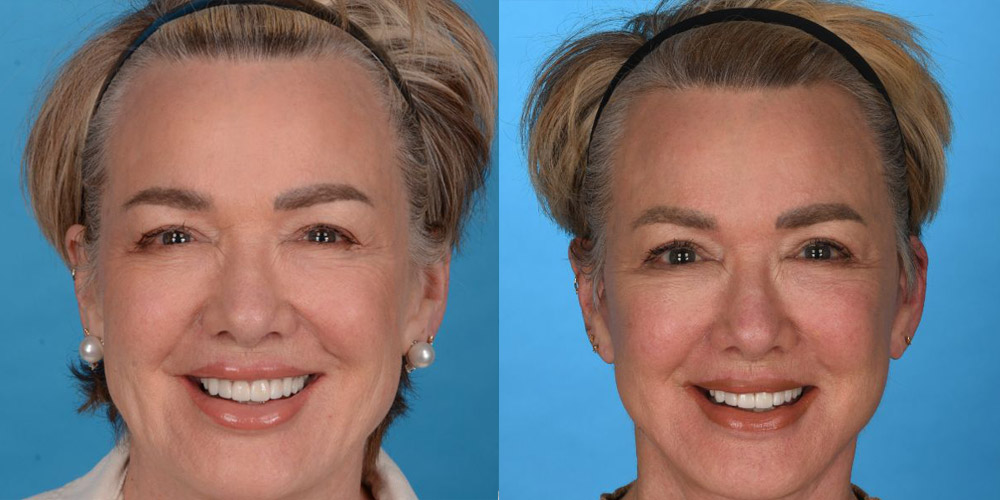
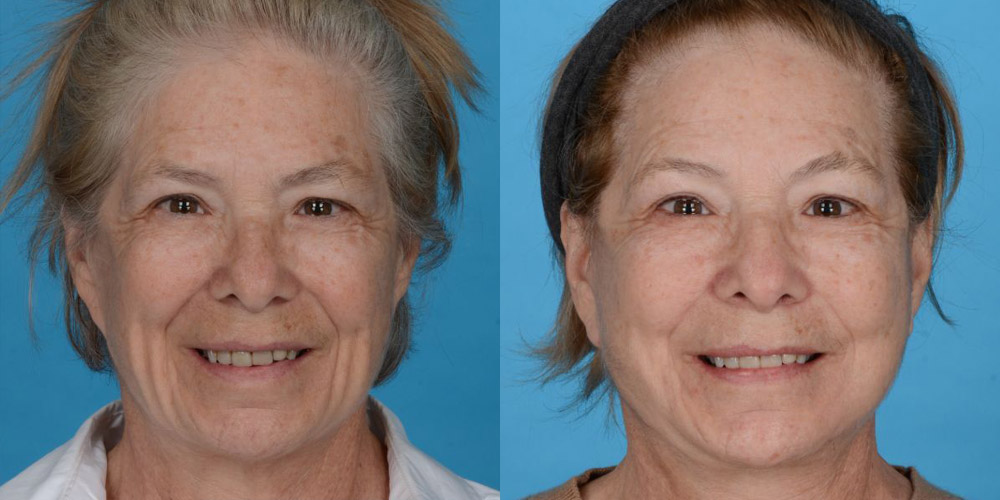
A facelift, or rhytidectomy, is a surgical procedure designed to reduce visible signs of aging in the face and neck. As we age, our skin loses elasticity, facial fat diminishes, and gravity takes its toll, leading to sagging skin, deep creases, and loss of youthful contours. With facelift surgery, you can restore a younger, fresher, and more attractive look to your face, taking years off your appearance.
A modern facelift works by addressing the structural layers beneath the skin. At a minimum, surgeons work with the SMAS, or superficial muscular aponeurotic system, which is the supporting sheet of tissue underneath the fat and skin. Depending on the chosen technique, surgery may remain above the facial ligaments (traditional approach) or proceed beneath them at a deeper level (deep plane approach). Both techniques, in the right hands, can deliver beautifully rejuvenated, natural-looking results.
What Is Dr. Yash’s Philosophy?
Dr. Yash’s philosophy is simple: a facelift is not about changing who you are, it’s about restoring the natural contours and proportions of your younger face. He believes the best outcome is one where others notice you look vibrant and well-rested, but can’t pinpoint why.
Because no two patients age at the same rate, Dr. Yash does not use a single technique for every case. He evaluates each patient’s facial anatomy, skin quality, and goals to determine whether a traditional facelift, deep plane facelift, or a combination approach will deliver the most natural, harmonious, and lasting result.
To learn how a facelift in Dallas, TX might enhance your appearance, contact Dr. Yash Plastic Surgery or call us at (469) 249-9615 to schedule a consultation today. Due to his skill, attention to detail, and dedication to his patients, Dr. Yash is one of the best plastic surgeons in Dallas.
How Can a Facelift Improve My Appearance?
A facelift corrects the most significant signs of aging in the lower face and neck. Regardless of technique, facelift surgery can:
Define the Jawline
- Define the jawline by eliminating jowls and restoring a smooth, crisp jawline contour
Contour the Neck
- Contour the neck by tightening loose neck skin and improving the neck-to-jaw angle for a more elegant profile
Soften Deep Creases
- Soften deep creases by reducing deep folds around the nose and mouth (nasolabial folds and marionette lines)
Restore Cheek Volume
- Restore cheek volume by lifting sagging cheeks back to their youthful position, recreating fuller, more defined cheekbones
The ultimate goal is achieving results that appear natural, refreshed, and harmonious with your facial features – not overdone or artificial. Want to take a simple self-test to see if you are a good candidate? Place your fingers gently on the skin at your cheekbones and jaw and push upward. If that change makes your lower face look younger and your jawline more defined, you are likely a good candidate for a facelift.
Am I a Good Candidate for a Facelift?
If you’re bothered by the signs of facial aging and find that non-invasive treatments like Botox® and dermal fillers no longer provide sufficient improvement, a facelift may be the right solution. The best candidates:
- Are in good overall health
- Do not smoke or are willing to stop well in advance of surgery
- Have realistic expectations for surgical outcomes
- Have noticeable skin laxity, jowling, or loss of jawline and/or neck definition
The only way to determine which facelift approach is best for you is a personal consultation with Dr. Yash. He will evaluate your facial anatomy, review your medical history, and work with you to develop a surgical plan tailored to your individual goals.
How Do You Choose a Facelift Technique?
Understanding the Deep Plane Technique
Understanding the difference between a traditional and deep plane facelift helps you make an informed decision and sets realistic expectations.
To understand either technique, it helps to know the layers of the face, from outside to inside:
- Skin: the outermost layer
- Fat compartments: pockets of fat that give the face volume and shape
- SMAS layer: the reinforcing tissue sheet connecting to facial muscles
- Facial ligaments: strong bands anchoring deeper tissues to bone
- Muscles and bone: the deepest structures of the face
As we age, these facial ligaments act like anchor points, but they also hold sagging tissues down. Traditional facelifts work above these ligaments, which limits how much lifting can be achieved. The deep plane technique works beneath these structures.
What Is the Traditional Facelift Technique?
The traditional facelift is a time-tested, highly effective approach that works above the facial ligaments, lifting and tightening the SMAS layer and removing excess skin. It is a well-established technique that has decades of clinical evidence behind it and remains the standard of care in many surgical practices.
How It Works:
Dr. Yash makes an incision that follows the natural contour of the hairline, both in front of and behind the ear. He elevates the skin, tightens and repositions the SMAS layer using sutures or plication, removes excess skin, and closes the incisions meticulously. Fat grafting may be performed concurrently to restore lost volume in hollowed areas.
Who it’s best for:
Traditional Facelift Highlights:
- Proven, well-studied technique with a long safety record
- Works at the SMAS level above the facial ligaments
- Effective for mild-to-moderate skin laxity and jowling
- Excellent jawline and neck rejuvenation
- Slightly faster recovery in many cases
- Results typically last 7 to 10 years
What Is the Deep Plane Facelift Technique?
The deep plane facelift is an advanced technique that works beneath the facial ligaments, releasing them to allow a more extensive, three-dimensional repositioning of the deeper structural layers of the face. Dr. Yash has specialized training in this approach and recommends it for patients with more advanced facial aging, significant nasolabial folds, or a desire for the longest-lasting result possible.
How It Works:
Dr. Yash uses a similar incision pattern to the traditional approach, then descends beneath the SMAS to work at the level of the facial ligaments. He strategically releases the zygomatic ligaments (cheek area) and mandibular ligaments (jawline), which allows the entire deep layer consisting of the SMAS, overlying fat, and skin to be lifted as a unified unit. This composite lift is repositioned vertically, the natural direction of facial aging, and secured to stable, deeper structures. The skin is then re-draped without tension, fostering natural healing.
Who It’s Best For:
The deep plane technique is ideal for patients with moderate to significant facial aging, prominent nasolabial folds, descended midface fat, or those who want maximum longevity from their facelift. It is a more technically complex procedure, and outcomes depend heavily on the surgeon’s experience.
Deep Plane Facelift Highlights:
- Works beneath the facial ligaments for more complete ligamentous release
- Lifts all tissue layers together as a unified composite
- Superior mid-face and nasolabial fold rejuvenation
- More vertical, natural-direction lifting vector
- Preserves facial nerve function and natural expression
- Results typically last 10 to 15+ years
Benefits of the Deep Plane Approach
Natural Results: Lifting all layers together maintains natural facial contours and avoids the “operated” appearance.
Longer-Lasting Outcomes: By addressing the deeper support structures, results typically last 10-15 years or more.
Better Mid-Face Rejuvenation: Superior improvement of the cheeks and nasolabial folds compared to other techniques.
Preserved Facial Expression: Working below the muscle layer preserves facial nerve function and natural expressions.
What Is the Process for a Facelift Surgery?
Before Surgery
Dr. Yash is a partner at the Dallas Plastic Surgery Institute and performs all procedures at the Institute’s state-of-the-art surgery center, which is the top aesthetic surgery facility in Dallas and among the best in the country. On surgery day, you will check in, meet with Dr. Yash and your anesthesia provider, and then you will be escorted to the operating room where you will be comfortably positioned before receiving general anesthesia.
During Surgery
Whether performing a traditional or deep plane facelift, Dr. Yash begins with fat grafting to the deep compartments to restore volume in areas of loss, such as the forehead, around the eyes, cheeks, jawline, and nasolabial folds. Incisions are made along the hairline, carefully following the anatomy in front of and behind the ear and extending into the lower scalp. The appropriate tissue plane is entered based on your technique, tissues are lifted and repositioned, excess skin is removed, and incisions are closed with sutures for a naturally smooth result.
After Surgery
Facelift surgery is performed as an inpatient procedure. After waking from anesthesia, you will stay at the Cloister, the overnight recovery facility adjacent to the surgery center, where a 24-hour nurse will provide care. Dr. Yash will visit you that evening and again the following morning. Before you return home, your face and hair will be washed in the Cloister’s salon.
What Can I Expect During Facelift Recovery?
Recovery is similar for both techniques and varies based on the individual procedure. Most patients plan for one week of rest and light activity at home. During the first week, you may experience:
- Bruising and swelling in the treatment area
- Numbness and mild tenderness
- A sensation of tightness as tissues settle into position
Dr. Yash employs an enhanced recovery protocol to optimize healing, which includes:
- Post-surgical lymphatic facial massage
- Hyperbaric oxygen therapy
- Office-based scar enhancement treatments using specialized skincare and laser therapies
Sutures are typically removed at a follow-up visit 1 to 2 weeks after surgery. Gradual return to exercise and activity is recommended at 2 to 4 weeks. The face is generally fully healed in about one month, with continued improvement over the following months as swelling fully resolves and tissues settle.
Enhanced Facelift Recovery Protocol
Dr. Yash uses an enhanced recovery protocol for his facelift patients, which includes post-surgical lymphatic facial massages, hyperbaric oxygen therapy, along with select office-based scar enhancement treatments like specialized skin care and laser treatments.
Dr. Yash will schedule a follow-up visit in a week to 10 days after your surgery to remove sutures and assess your progress. He and his staff will be available at any time to answer your questions during recovery.
Dr. Yash will recommend gradually resuming activity and exercise about 2-4 weeks after surgery. Your face will be fully healed in about a month. The results will continue to improve over the following months, effectively delivering a more youthful, attractive, and energetic appearance. That change can work wonders to strengthen your self-esteem and confidence—some of the most significant benefits of any cosmetic procedure.
Ready to begin your Aesthetic Journey?
Honesty and integrity are the cornerstones of Dr. Yash’s practice. He believes in educating every patient on which plan offers the most value for their specific anatomy and goals and recommending only what genuinely makes sense, never simply what’s possible. Whether a traditional facelift, a deep plane facelift, or even a non-surgical solution is right for you, Dr. Yash will guide you with candor, skill, and care.
Facelift FAQs Dallas, TX
A facelift typically takes 4 to 6 hours, depending on the technique selected and whether combined procedures (e.g., fat grafting, eyelid surgery) are performed.
Most patients return to normal social activities in 2 to 3 weeks. Strenuous activity is restricted for 4 to 6 weeks.
Facelift results are long-lasting but not permanent, and you will continue to age naturally. Traditional facelifts typically last 7 to 10 years, while deep plane results commonly last 10 to 15+ years.
Most facelift patients are in their 40s to 70s. The ideal age depends more on your degree of skin laxity and facial aging than on a number.
Dr. Yash’s non-surgical facelift uses a combination of solutions like radiofrequency microneedling, liposuction, and injectable products to create temporary lifting and contouring effects. While this treatment cannot produce the same dramatic results as surgery, it can do wonders to reverse the earliest stages of facial aging with less discomfort.
Discomfort is usually mild and well-managed with prescribed pain medication. Most patients describe a feeling of tightness rather than sharp pain.
Patient satisfaction rates for facelift surgery are among the highest of any cosmetic procedure. Choosing a board-certified surgeon with the appropriate technique for your anatomy is key to achieving a result you’ll love.
Dr. Yash’s patients do not regret having a facelift. He takes time to screen all his patients to confirm they are optimal candidates for the surgery. After surgery, they often report increased confidence, improved self-image, and a refreshed, more youthful appearance that feels worth the downtime.
A Japanese facelift commonly refers to a non-surgical facial technique using manual massage, facial yoga, or thread lifting. These methods promote circulation and skin tone but don’t offer the long-lasting or structural results of surgery.
A decade after a facelift, you’ll still look younger than your natural aging trajectory. While some laxity returns with time, your face will retain improved contour, fewer wrinkles, and a more refreshed appearance compared to your peers who did not have surgery. Your face will not age the same as it would if you did not have a facelift. The deep anatomic work done to restore shape and support to your face normally remains over time. What changes after a facelift are the skin quality, and most patients experience normal skin aging and volume deflation.
Cost varies based on technique, complexity, and any combined procedures. Dr. Yash will offer a detailed cost breakdown during your consultation.
The traditional facelift is a time-tested, highly effective approach that works above the facial ligaments, lifting and tightening the SMAS layer and removing excess skin. It is a well-established technique that has decades of clinical evidence behind it and remains the standard of care in many surgical practices.