
Laser Skin Resurfacing in Dallas, TX, with Dr. Yash
Renew, Rejuvenate, and Reveal Radiant Skin
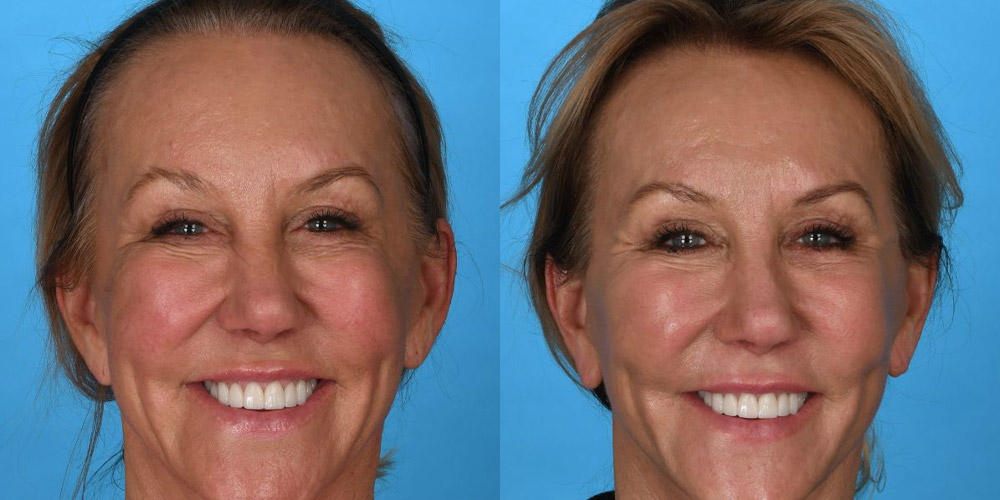
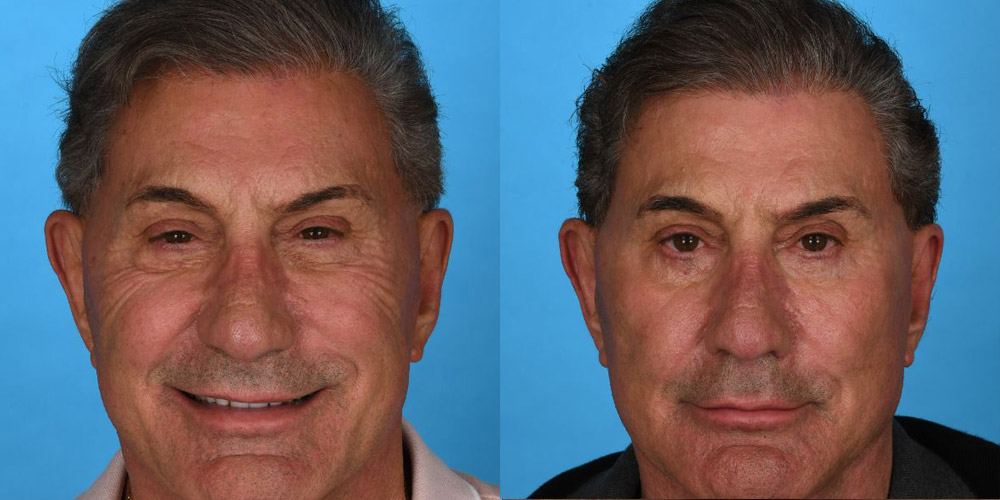
Laser skin resurfacing is a non-invasive way to smooth facial lines and wrinkles, correct mild to moderate sagging, and even out your skin tone for a more youthful appearance. The treatment is fast, typically painless, and can produce dramatic improvements.
Dr. Yash Avashia uses different laser treatments for various cosmetic concerns, tailoring each session to your unique needs. He can also combine laser skin resurfacing with other facial rejuvenation treatments, such as Botox, injectable dermal fillers, or surgical procedures.
Dr. Yash has specialized training and extensive experience in both surgical and non-surgical cosmetic treatments. With a profound appreciation for the delicate aspects of facial anatomy, he applies his in-depth medical knowledge to achieve outstanding results.
To learn more about how laser skin resurfacing in Dallas can help you look younger and achieve fresher skin, contact Dr. Yash Plastic Surgery to schedule a consultation today.
Quick Links
What Is Laser Skin Resurfacing?
Laser skin resurfacing uses precisely controlled beams or pulses of laser light to smooth and tighten the skin and remove blemishes and areas of discoloration.
Various lasers can make different improvements to your skin. Depending on your needs, Dr. Yash may use ablative or non-ablative laser resurfacing treatments.
- Ablative lasers remove tissue from the skin’s surface to eliminate scars or warts, remove areas of rough skin, and stimulate collagen production to smooth facial lines and wrinkles. Ablative lasers include carbon dioxide and erbium lasers.
- Non-ablative lasers don’t remove surface skin, but instead heat the skin below the surface to stimulate the production of collagen, which improves skin tone and texture. Non-ablative laser treatments can also eliminate age spots, spider veins, or rosacea — not only on your face, but also on your hands, arms, or chest. Non-ablative laser treatments include pulsed light and pulsed-dye lasers.
Fractional laser treatment, which can use either ablative or non-ablative lasers, skips over microscopic columns of skin, leaving a fraction of the skin untreated for a faster recovery.
Why Might I Consider Laser Skin Resurfacing?
Laser skin resurfacing can treat a wide range of skin concerns, including:
- Fine lines and wrinkles around the eyes, mouth, and nose
- Mildly or moderately sagging facial skin
- Sun-damaged skin
- Age spots
- Uneven skin coloring or texture
- Rosacea
- Scars from acne, chicken pox, or surgery
- Warts
- Enlarged oil glands
How Does Laser Skin Resurfacing Work?
Laser skin resurfacing is a skin rejuvenation treatment that works by directing precisely controlled beams of laser or intense pulsed light to the skin.
- In ablative laser treatment, the light beams burn off thin layers of surface skin while also heating the tissue below the surface, stimulating collagen production to help your skin retain moisture and resilience.
- In non-ablative laser treatment, the light beams heat the tissue below the skin’s surface to boost collagen production. When eliminating areas of redness or discoloration, your provider will adjust the beam’s spectral range to generate extra heat in the discolored tissue, causing minor damage that leads your body to replace it with new, evenly colored skin.
The new skin that grows after laser skin resurfacing is smoother, firmer, and more resilient.
Am I a Good Candidate for Laser Skin Resurfacing?
You may be a good candidate for laser skin resurfacing if you are concerned about mild to moderate wrinkles on your face; sun-damaged skin; areas of uneven coloring on your face, chest, hands, or arms; or noticeable surgical, chicken pox, or acne scarring.
We do not recommend this laser procedure if you have deeply etched wrinkles, significantly sagging skin, or active acne, or if you are pregnant or breastfeeding. Some types of laser treatment may cause skin discoloration in people with darker-toned skin.
What Can I Expect In My Dallas Laser Skin Resurfacing Treatment?
Before
Dr. Yash will consult with you to understand your laser resurfacing procedure goals. He will examine your face or the area with skin discoloration, paying specific attention to your skin’s quality and resilience. Based on your conversation and his assessment, he will recommend the laser resurfacing treatment or combination of treatments that he considers best suited to your needs.
Dr. Yash may prescribe a course of medication and skin treatments in the weeks before your laser treatment to prepare your skin and reduce the risk of viral infection. He will also instruct you to minimize sun exposure in the weeks before your laser treatment.
During
When you come in for your treatment, we’ll thoroughly clean the skin in the treatment area and numb it with a topical anesthetic. If you’re having a large area of skin treated, we may offer you a sedative to help you relax.
During the treatment, your provider will move the laser slowly over your skin, focusing light at precisely calibrated intensity. After your treatment, we’ll apply sterile wraps to your skin to promote healing.
The procedure typically takes between 30 minutes and two hours from start to finish.
After
After your laser skin resurfacing treatment, you are free to go home, though if you undergo the procedure with sedation, you will need to have someone drive you. Dr. Yash will provide you with post-treatment care instructions and will be available if you have any immediate questions or issues.
What Can I Expect After My Laser Skin Resurfacing Treatment?
Your skin will be red and may have some swelling for a few days after your treatment. You might also feel some itching or irritation, similar to the sensation of a mild sunburn. After non-ablative laser treatment, this redness might last for two or three days. After ablative laser treatment, it might last for a week or two, after which you might experience some skin peeling. The most intensive laser skin treatments may result in blisters and oozing.
Dr. Yash will give you instructions on how to clean the treated skin. You’ll need to protect the area from the sun for up to a year after your treatment, covering or shading the skin and using sunscreen when you are outside.
You can go about most of your regular activities while your skin is healing, avoiding places and activities that might expose your skin to infection, such as swimming pools or the gym.
After the initial redness disappears, the treated skin will be pinker than usual. This stage of the healing process typically lasts for two or three months, after which your skin will revert to a natural, even tone. You can use oil-free makeup to hide this pink coloring.
When the final results appear, your skin will look younger, smoother, and more evenly colored, and those results will last for years.
Schedule a Consultation in Dallas Today
Contact us today to schedule a consultation and learn how Dr. Yash can improve your appearance and make you look younger with laser skin resurfacing. Dr. Yash has extensive training and special expertise in facial cosmetic surgery and non-surgical facial treatments. He provides exceptional care to patients from Dallas, Fort Worth, and the surrounding areas of Texas.
Ready to begin your Aesthetic Journey?
Honesty and integrity are the cornerstones of Dr. Yash’s practice. He believes in educating every patient on which plan offers the most value for their specific anatomy and goals and recommending only what genuinely makes sense, never simply what’s possible. Whether a traditional facelift, a deep plane facelift, or even a non-surgical solution is right for you, Dr. Yash will guide you with candor, skill, and care.
FAQs About Laser Skin Resurfacing in Dallas, TX
Yes. Depending on your cosmetic concerns and the quality of your skin, Dr. Yash may recommend combining laser skin resurfacing with other facial rejuvenation treatments, such as Botox or dermal fillers. Laser skin resurfacing can also enhance the results of surgical procedures, such as a facelift, by improving the skin’s even coloring and smooth texture.
Dr. Yash will consider your natural skin tone when he recommends treatment. Some types of laser treatment can result in skin discoloration in people with darker skin. But this is a known concern, and alternatives are available – either other types of laser treatment or different treatments such as microneedling of radiofrequency skin tightening.
Both are ablative lasers available at our Dallas Plastic Surgery Institute facility, and both can be delivered in a fractional pattern that treats tiny columns of skin while leaving surrounding tissue intact to support healing. Dr. Yash chooses between them based on your goals, skin type, and how much downtime you can plan for:
- CO2 fractional laser: Often a strong option for deeper wrinkles, more significant sun damage, acne scars, and loss of elasticity.
- Erbium:YAG laser: A gentler ablative option that can address fine lines, texture, and uneven tone, with typically fewer side effects such as swelling and redness.
Recovery depends on the laser and treatment depth. According to the Cleveland Clinic, erbium laser resurfacing recovery usually takes about one week, while CO2 laser resurfacing can take up to two weeks. Skin often feels like a mild sunburn for a few days, followed by peeling. Most of our Dallas, Plano, and Frisco patients plan 1 to 2 weeks away from work and social events, then enjoy a healthy pink glow that fades over the following months.
Before treatment, we apply a numbing medication, and sedation is available for larger areas or deeper CO2 treatments. Most patients describe a warm, prickling sensation during the procedure. Afterward, the skin may feel tight, warm, or itchy for a few days, much like a sunburn. Cool compresses and the aftercare products Dr. Yash recommends can help keep you comfortable as you heal.
Improvement can continue for up to a year as your skin builds new collagen, and results from ablative treatments can last for several years. Your skin will still age naturally, and new sun exposure can affect results over time. Daily sunscreen, a medical-grade skin care routine, and occasional maintenance treatments can help you enjoy smoother, more even skin for longer.
Many patients choose fall and winter. Healing skin is especially sensitive to sunlight, and the shorter days and cooler temperatures make it easier to stay out of the strong North Texas sun while you recover. That said, laser treatment can be done any time of year with careful sun protection.
Ablative laser treatments are typically a one-and-done solution. Milder non-ablative lasers may require a series of several treatments to achieve the desired results. Once you achieve the look you want, the results are long-lasting.
As with any cosmetic procedure, there are some risks associated with laser skin resurfacing. You can minimize these by selecting a skilled and experienced plastic surgeon like Dr. Yash for your treatment. Risks and possible side effects of laser skin resurfacing include:
- Infection
- A darkening of the skin in the treated area
- Scars
Dr. Yash starts many face patients on a skin care program before treatment to help prepare the skin. Preparation may include:
- Sun protection: Avoid tanning and heavy sun exposure in the weeks before treatment.
- Product changes: Follow instructions about retinoids, exfoliating acids, and other active products.
- Antiviral medication: If you have a history of cold sores, you may take an antiviral before and after treatment.
- Smoking: Avoid smoking for at least two weeks before and after treatment to support healing.
Yes, fractional laser resurfacing is one of the most popular ways to improve the appearance of acne scars. As the skin heals, it produces new collagen and elastin, which can soften rolling and textured scars and make them less noticeable. Acne should be under control before treatment, and deeper scars may benefit from more than one session. You can view examples of our work in our photo gallery.
You can usually return to makeup once the new skin has fully healed, typically 1 to 2 weeks after ablative treatment. Oil-free, green-tinted makeup can help balance any lingering pinkness. During healing, gentle cleansing and moisturizing are key, and avoiding picking at peeling skin helps prevent scarring. Once healed, daily broad-spectrum SPF 30 or higher is essential, and Dr. Yash will let you know when to reintroduce retinoids and other active products.
The American Society of Plastic Surgeons reports a national average of $1,829 for skin resurfacing procedures like laser resurfacing, though this does not include all related expenses. Your cost depends on the laser type, the size and number of areas treated, the depth of treatment, and whether sedation is used. Because laser resurfacing is cosmetic, insurance typically does not cover it. We provide a personalized quote during your consultation.
As with any cosmetic procedure, there are some risks associated with laser skin resurfacing. You can minimize these by selecting a skilled and experienced plastic surgeon like Dr. Yash for your treatment. Risks and possible side effects of laser skin resurfacing include:
- Infection
- A darkening of the skin in the treated area
- Scars
Each treatment addresses a different layer of aging. Chemical peels and laser resurfacing both improve the skin’s surface, but lasers allow Dr. Yash to precisely control depth for concerns like wrinkles and acne scars. Laser resurfacing improves skin quality but does not lift sagging tissue, so for patients with more noticeable laxity, Dr. Yash often combines it with a facelift. Volume loss may be addressed with injectables and fillers.